Payment terms decide when you actually get paid, so choosing between net 15 vs net 30 affects your cash flow more than most pricing tweaks. This guide explains what each term means, when each one fits, and how to set terms that clients will accept. It is general information, not legal or tax advice.
What "Net 15" and "Net 30" mean
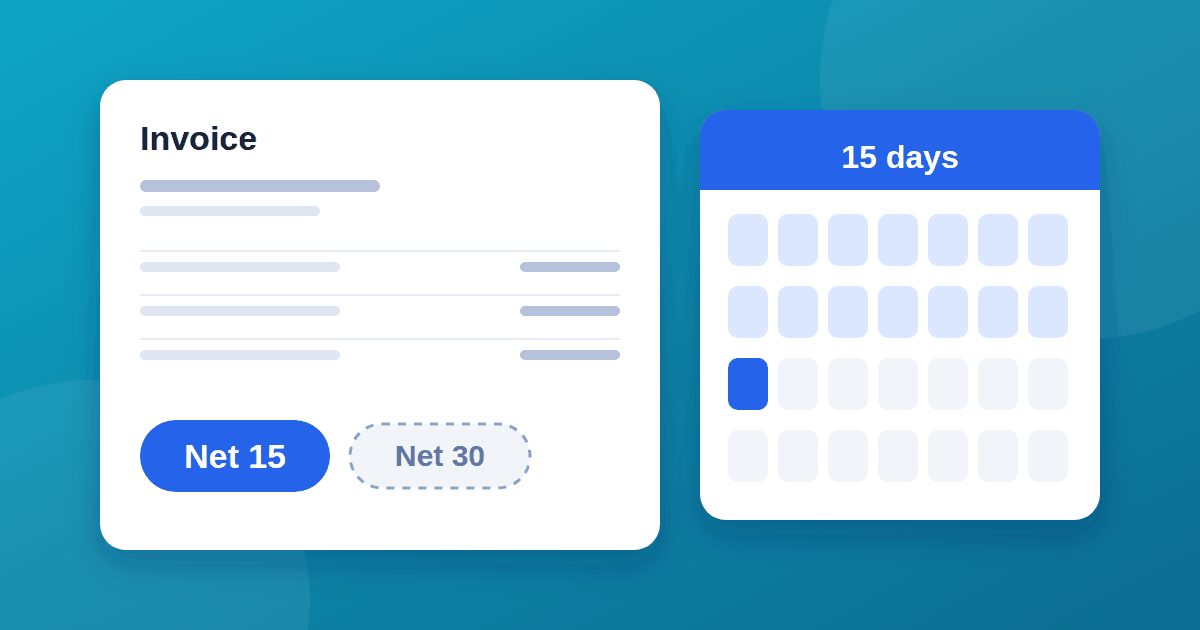
Net 30 means the full invoice amount is due 30 days after the invoice date. Net 15 means it is due 15 days after. The number counts calendar days, including weekends and holidays, unless your agreement says business days. It is a form of trade credit: you deliver first and get paid later. See the basics of an invoice if you need a refresher.
Example: an invoice dated March 5 with Net 15 is due March 20. With Net 30 it is due April 4.
Why terms matter for cash flow
Every extra day of payment terms is a day you fund your client's project from your own money. If you invoice a fixed amount each month, moving from Net 30 to Net 15 means you collect roughly two weeks sooner on average. That can decide whether you cover software, contractors, or taxes comfortably.
Shorter terms can also reduce the chance an invoice is forgotten. A 15-day-old invoice is usually easier to collect than one that has been open for 45 days.
Common payment terms compared
| Term | When it is due | Best for | Trade-off |
|---|---|---|---|
| Due on receipt | Immediately | Small jobs, new clients | Can feel abrupt to large buyers |
| Net 7 | 7 days | Quick services, individuals | May clash with some client processes |
| Net 15 | 15 days | Freelancers, small agencies | Slight friction with corporate finance teams |
| Net 30 | 30 days | Larger companies with formal accounts payable | You finance the work for a month |
| Net 60 / Net 90 | 60 to 90 days | Enterprise clients that require it | Serious cash-flow drag for a small business |
When to use Net 30
- The client is a large company or agency with a formal accounts payable process
- The client requires it by policy
- The project is large and you have already been paid a deposit
- You have a long, reliable payment history with the client
When to use Net 15 (or shorter)
- You work with small businesses, startups, or individuals
- You depend on steady monthly income
- You are working with a new client and have no payment history yet
- You want a fast, clear rhythm of invoice, payment, and next project
A common approach is to start new clients on Net 15 and offer Net 30 after several on-time payments.
Ways to protect your cash flow
- Take a deposit. Ask for a portion up front, then invoice the balance with short terms.
- Bill in milestones. Smaller invoices clear faster and reduce risk.
- Use early-payment discounts carefully. A term like "2/10 Net 30" means the client can take 2% off if they pay within 10 days, otherwise the full amount is due in 30. Only offer it if the discount costs less than the benefit of faster cash.
- State the exact due date on the invoice, not only "Net 15". Specific dates are harder to ignore.
- Send invoices promptly. The clock starts on the invoice date, so a late invoice is a late payment.
Late fees and reminders
If you charge late fees, put them in your contract or agreement and on the invoice before the work starts. Rules on late fees and interest vary by country and region, so check your local requirements. Send a friendly reminder before the due date, on the due date, and shortly after. Keep the tone polite, factual, and consistent.
When a client asks for longer terms
If a client wants Net 60 or more, you can:
- Raise the price slightly to offset the cash-flow gap
- Split the work into smaller milestone invoices
- Ask for a deposit
- Offer Net 30 in exchange for something, such as a longer commitment
Do your invoicing tools matter?
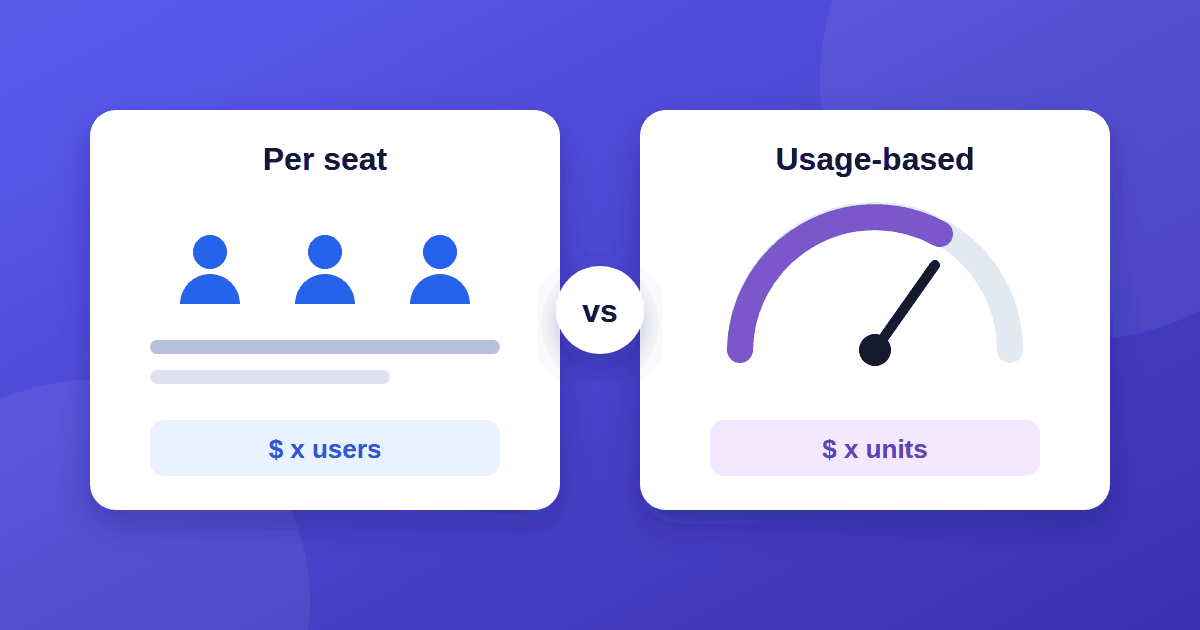
Invoicing software can send reminders and take online payments, which helps you collect faster. If you are choosing one, compare how each charges, using our guide to per-seat vs usage-based pricing, and check features with our 10-check guide to evaluating SaaS tools.
The takeaway
Net 30 is a large-company norm. For freelancers and small businesses, Net 15 or shorter is usually kinder to your cash flow. Choose terms based on the client and your needs, take deposits, state exact due dates, and set late-fee rules before you begin the work.